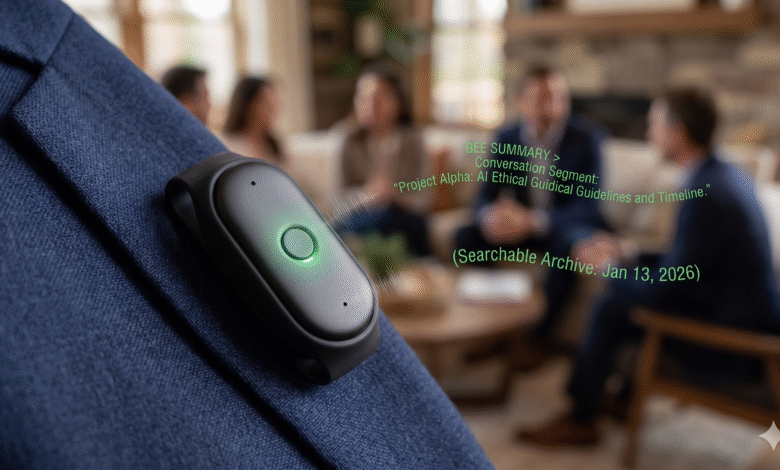
Exploring Amazon’s Bee Wearable: An In-Depth Analysis of the AI-Powered Device
The Amazon Bee wearable device, a strategic acquisition that has sparked both curiosity and privacy debates, represents a major milestone in the global evolution of personal technology. This AI-powered tool is designed to seamlessly record, transcribe, and summarize daily conversations, fundamentally changing how users interact with artificial intelligence.
An Introduction to the Amazon Bee
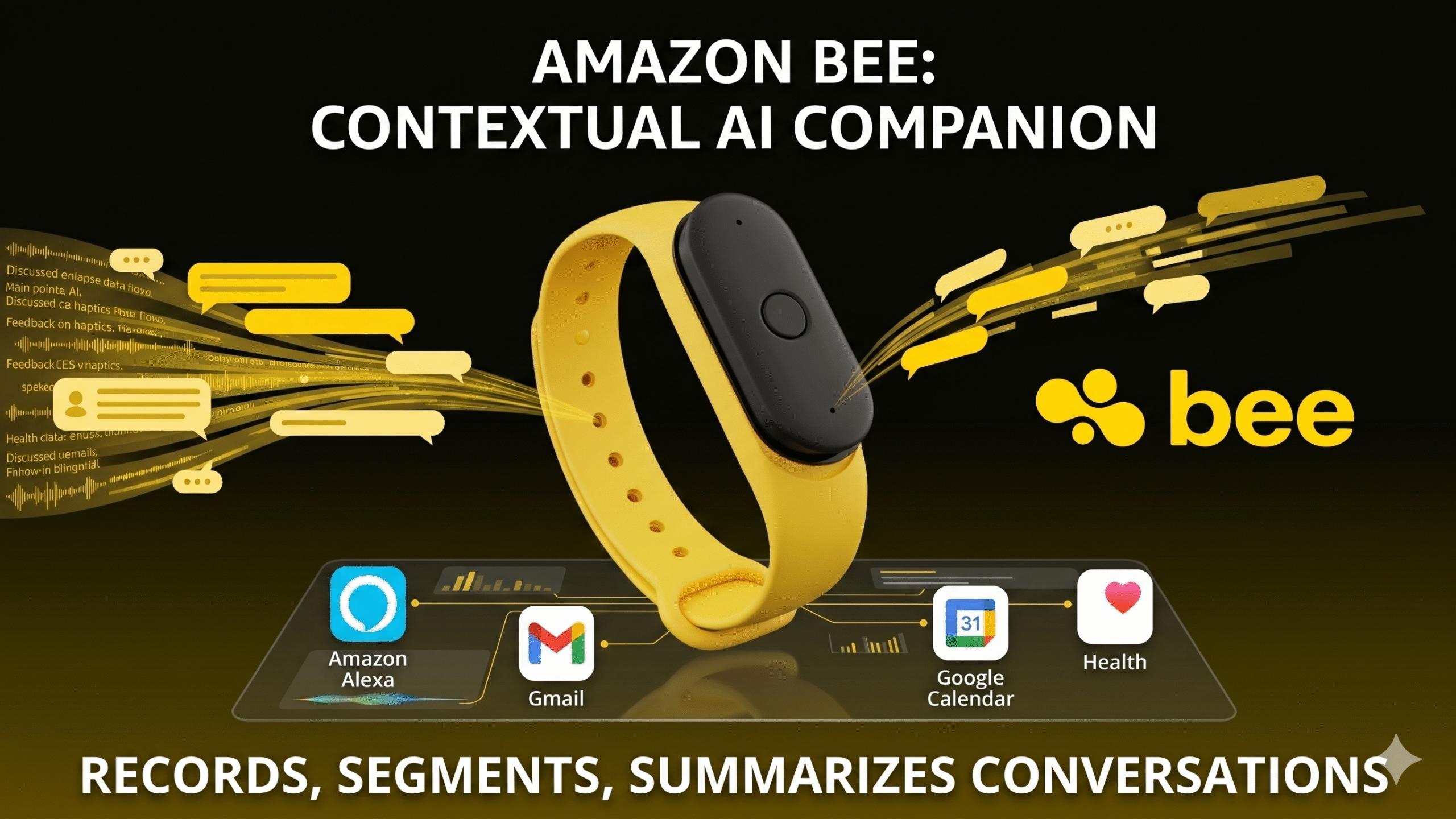
Developed by tech giant Amazon, the Bee wearable distinguishes itself in the rapidly advancing AI assistant market. Unlike traditional tools that demand active user input, Bee operates passively. Furthermore, it learns from real-time conversations, ambient noise, and daily interactions to provide users with personalized suggestions and actionable insights.
Key Product Features and Capabilities
Bee offers several powerful features designed to streamline and enhance user interaction:
- Transcription and Summarization: This feature converts spoken conversations into text and generates concise summaries, allowing users to track communications effortlessly without manual note-taking.
- Privacy Considerations: Because it listens continuously, Bee raises significant privacy questions. Consequently, Amazon has implemented robust safeguards, including end-to-end data encryption and strict user consent protocols.
- User Interface and Usability: Featuring an intuitive interface and simple controls, Bee is remarkably accessible, though users may need to fine-tune settings during the initial setup to match their preferences.
Privacy Issues and User Concerns
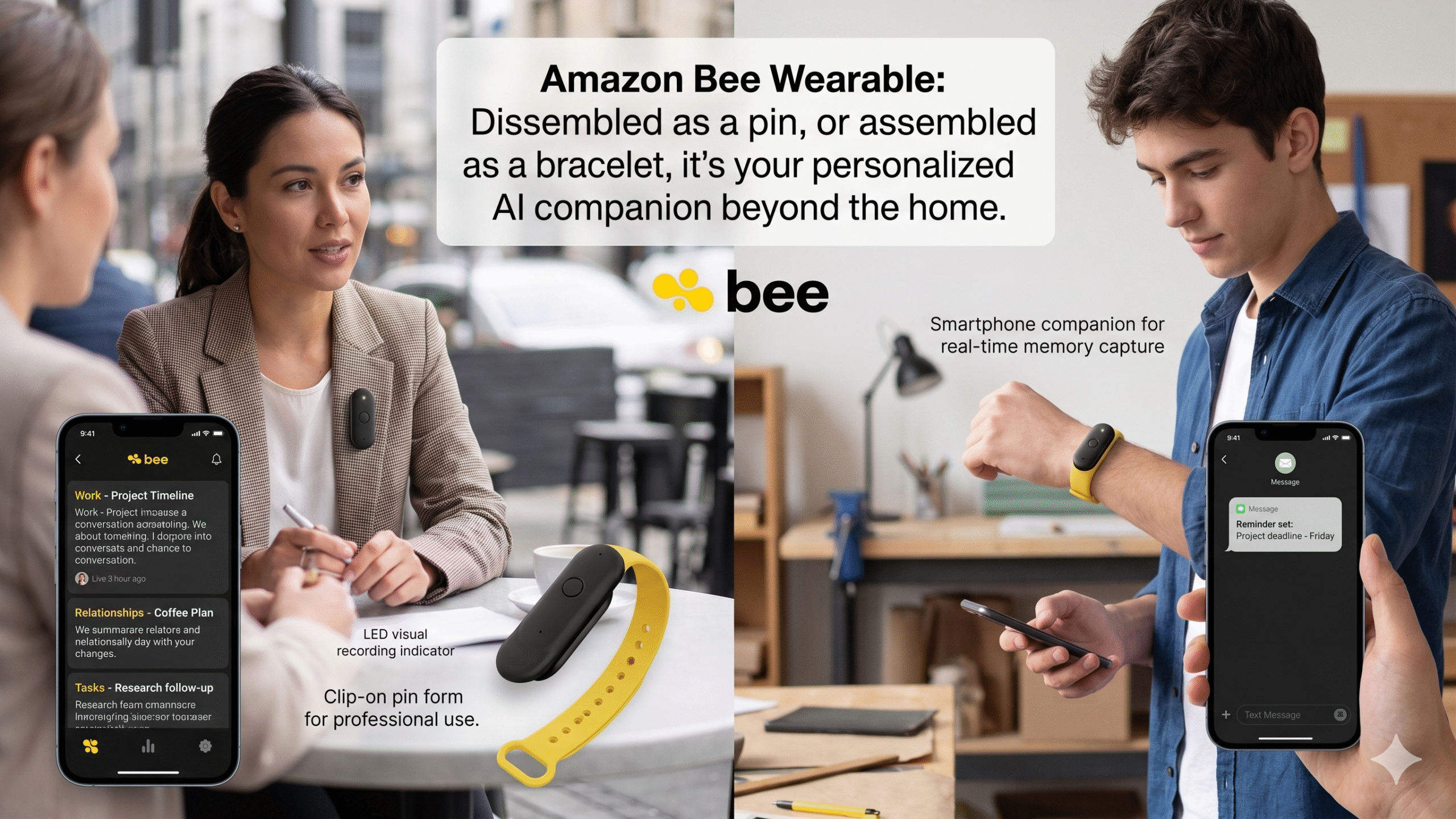
A primary controversy surrounding Bee involves its potential impact on personal privacy. Since the device records and stores conversations, critics often view this as a potential privacy risk. To address these concerns, Amazon emphasizes its use of advanced encryption and rigorous data control mechanisms to protect sensitive user information.
Comparative Analysis with Similar AI Devices
Bee faces significant competition in the wearable AI space. While devices such as Otter and Google’s Project Soli offer comparable functionalities, they differ significantly in their execution and privacy protocols. This comparison underscores Bee’s unique value proposition within the current market.
Potential Applications and Real-World Use Cases
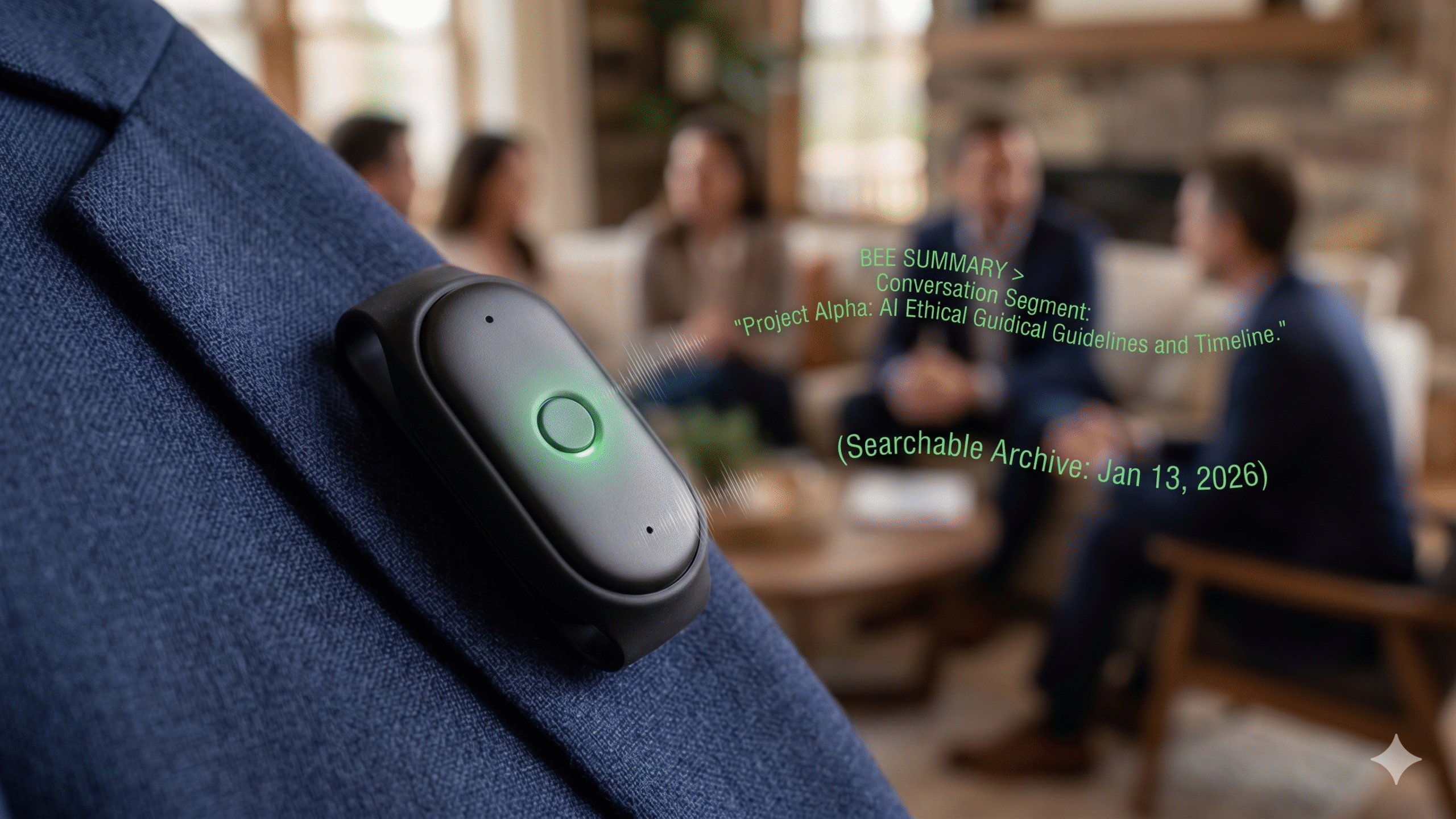
Despite the privacy debates, Bee provides immense value in professional environments, including business meetings, academic lectures, and daily task management. Furthermore, its capacity to distill key insights from lengthy dialogues makes it an indispensable tool for a wide range of user demographics.
Market Impact and Future Prospects
The market debut of Bee signals a growing trend toward more seamless and intimate AI-user interactions. Looking ahead, future iterations may incorporate advanced features such as emotional tone analysis and deep contextual understanding, potentially revolutionizing the future of personal AI assistants.
Conclusion
Amazon’s Bee represents a pioneering leap in AI wearables, effectively bridging the gap between seamless technology and personal privacy. By leveraging advanced transcription and summarization features, the device provides immense utility while simultaneously raising important ethical considerations. As AI technology evolves, innovations like Bee will lead the way in redefining our daily digital interactions.